Unleash Your Creativity: Mastering Audition Poster Lettering Design for Unforgettable Impact!
The thrill of the stage, the magic of performance – it all begins with a spark. And for aspiring actors, dancers, singers, and musicians, that spark is often ignited by a captivating audition poster. More than just a notification, an audition poster is a powerful invitation, a visual promise of opportunity. At the heart of this visual storytelling lies the art of audition poster lettering design. It’s not merely about displaying information; it’s about conveying emotion, generating excitement, and ultimately, drawing in the talent you need. Get this crucial element wrong, and your audition might be met with a whisper; get it right, and you’ll be orchestrating a roaring success!
In the vibrant world of performing arts, where every detail matters, the typography you choose for your audition poster can be the difference between a forgotten flyer and a sought-after ticket to your next production. This isn’t just about picking a font; it’s about strategic design, understanding your audience, and crafting a message that resonates. Let’s dive deep into the wonderful world of audition poster lettering design and discover how to make your calls for talent truly shine.
The Crucial Role of Typography in Audition Poster Design
Think of your audition poster as a mini-billboard for your project. It needs to grab attention instantly, communicate essential information clearly, and evoke the spirit of the production. While imagery plays a significant role, the words themselves – their style, size, and placement – are paramount. Audition poster lettering design is the silent salesperson, working tirelessly to persuade potential applicants.
Why Lettering Design Matters More Than You Think
- First Impressions are Lasting: In a sea of information, your poster’s typography is often the first thing a potential applicant notices. A well-designed font can immediately convey professionalism, creativity, or the specific genre of your production.
- Communicating Tone and Genre: Is your audition for a whimsical children’s play, a dramatic Shakespearean tragedy, a high-energy musical, or a contemporary dance piece? The lettering style you choose speaks volumes. A playful script font for a comedy, a bold serif for a historical drama, or a sleek sans-serif for a modern production instantly sets the mood.
- Readability is Key: No matter how beautiful a font is, if people can’t easily read the crucial details – the dates, times, locations, and requirements – your poster has failed. Legibility is non-negotiable.
- Building Anticipation and Excitement: Effective lettering can create a sense of urgency and excitement. Think of bold, impactful fonts that demand attention and inspire a desire to be a part of something significant.
Decoding the Elements of Stellar Audition Poster Lettering Design
Creating an effective audition poster isn’t about luck; it’s about understanding the fundamental principles of design and applying them strategically. Let’s break down the key components that contribute to impactful audition poster lettering design.
H3: Font Selection: The Foundation of Your Message
Choosing the right typeface is like selecting the perfect instrument for a melody. It sets the tone and influences how your message is perceived.
H4: Serif vs. Sans-Serif: A Classic Divide
- Serif Fonts: These fonts have small decorative strokes (serifs) at the ends of their letters. They often convey tradition, elegance, and authority. Think of classic novels or formal announcements. For historical dramas, period pieces, or productions emphasizing gravitas, serif fonts can be an excellent choice. Examples include Times New Roman, Georgia, and Garamond.
- Sans-Serif Fonts: These fonts lack serifs, giving them a clean, modern, and minimalist appearance. They are often perceived as friendly, approachable, and direct. Sans-serif fonts are incredibly versatile and work well for a wide range of productions, especially contemporary plays, musicals, and dance auditions. Examples include Arial, Helvetica, and Open Sans.
H4: Script and Display Fonts: Adding Personality and Flair
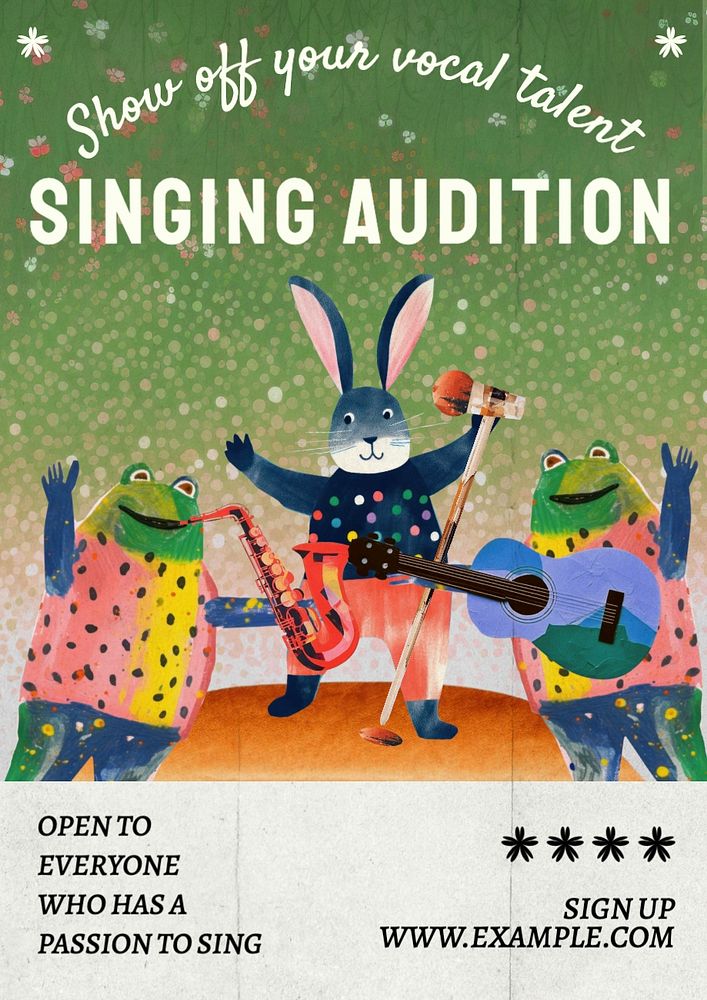
- Script Fonts: These fonts mimic handwriting and can evoke a sense of elegance, romance, or whimsy. They are best used sparingly for titles or key phrases to add a unique artistic touch. However, overuse can lead to illegibility, so use them with caution. Think of wedding invitations or vintage posters.
- Display Fonts: These are highly stylized and attention-grabbing fonts designed for headlines and short bursts of text. They can be bold, decorative, or experimental. Display fonts are perfect for conveying a strong theme or a specific artistic style, but they should never be used for body text due to their limited readability.
H4: Considerations for Font Pairing
Often, you’ll need more than one font on your poster. Pairing fonts effectively is an art form. A common strategy is to pair a more decorative or bold font for the title with a cleaner, more legible font for the supporting details. The key is to ensure contrast without clashing. Aim for fonts that complement each other in terms of style and weight.
H3: Hierarchy and Readability: Guiding the Viewer’s Eye
An audition poster is packed with information. Your lettering design must guide the viewer’s eye logically, ensuring they absorb the most important details first.
H4: The Power of Size and Weight
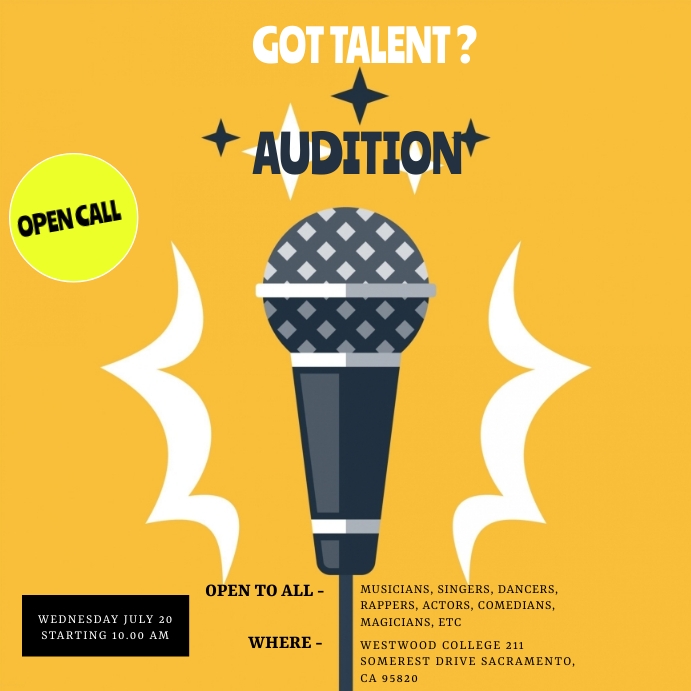
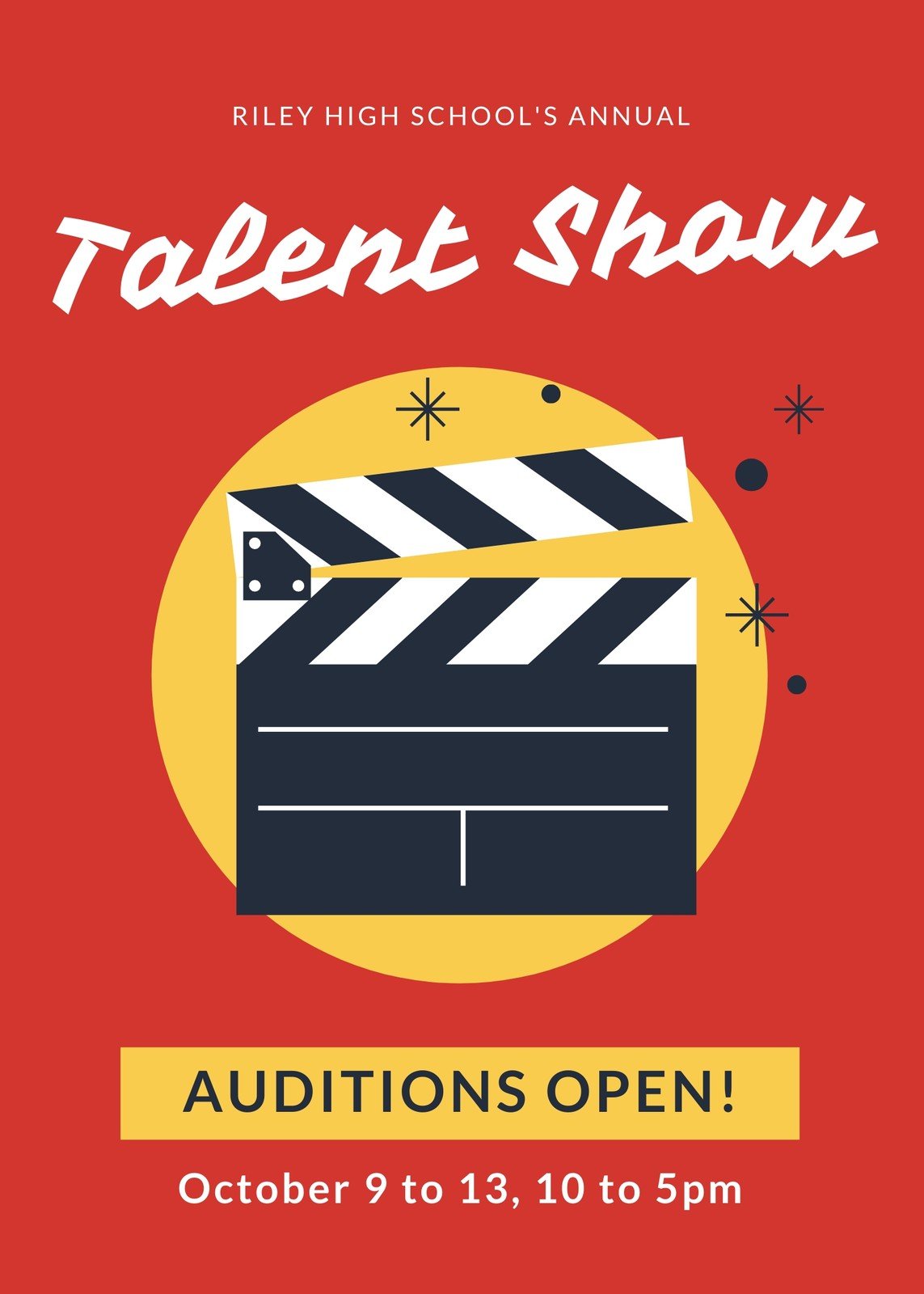
- Dominant Titles: The title of the production or the word "AUDITION" should be the largest and most prominent element. This immediately tells viewers what the poster is about.
- Subheadings and Key Information: Dates, times, and locations should be clearly visible and distinct from smaller details. Using a slightly smaller font size or a different weight (e.g., bold) can create this distinction.
- Body Text and Details: Contact information, submission guidelines, and specific requirements can be in a smaller, more legible font.
H4: Strategic Spacing (Kerning and Leading)
- Kerning: This refers to the spacing between individual letters. Proper kerning ensures that letters flow together harmoniously and don’t appear too cramped or too spread out.
- Leading: This is the vertical spacing between lines of text. Adequate leading improves readability, especially for longer blocks of text.
H3: Color and Contrast: Making Your Words Pop
Color plays a vital role in drawing attention and conveying emotion. Your lettering design should leverage color effectively.
H4: Choosing the Right Color Palette
- Contrast is Crucial: Ensure there is sufficient contrast between your text color and the background color. High contrast (e.g., white text on a dark background, or black text on a light background) is essential for readability.
- Reflecting the Production’s Mood: Colors can evoke specific emotions. Red might signify passion or danger, blue might suggest calm or melancholy, and yellow could convey joy or caution. Align your text colors with the overall theme of your production.
- Brand Consistency: If this is for a theatre company, consider incorporating their brand colors into the design.
H4: Using Color for Emphasis
Highlighting key information with a different color can draw immediate attention. For example, the audition date or a special call to action could be in a contrasting, vibrant color.
H3: Layout and Composition: Arranging Your Words for Impact
The way you arrange your text on the poster is as important as the fonts themselves. A well-composed layout guides the viewer and enhances the overall aesthetic.
H4: The Rule of Thirds and Visual Flow
Imagine your poster divided into a 3×3 grid. Placing key elements along these lines or at their intersections can create a more dynamic and visually appealing composition. Ensure a natural flow for the viewer’s eye, typically from top to bottom, left to right.
H4: Balancing Text and Imagery
Your lettering should complement, not compete with, any visual elements on your poster. Ensure there’s a harmonious balance between text and imagery, allowing both to contribute to the overall message.
Mastering the Art of Audition Poster Lettering Design: Practical Tips and Techniques
Now that we understand the foundational elements, let’s explore some actionable tips to elevate your audition poster lettering design.
H3: Know Your Audience and Your Production
Before you even open a design program, ask yourself:
- Who are you trying to attract? Are you looking for seasoned professionals, enthusiastic newcomers, or a specific demographic?
- What is the genre and tone of the production? A serious drama requires a different typographic approach than a lighthearted comedy.
- What is the overall aesthetic of the production? Does it have a vintage feel, a modern edge, or a fantastical theme?
Your answers will guide your font choices, color palette, and overall design.
H3: Embrace Negative Space (White Space)
Don’t be afraid of empty space! Negative space, or white space, is crucial for making your text stand out. It prevents the poster from looking cluttered and allows the viewer’s eye to rest, making the important information more digestible.
H3: Consistency is Key
Maintain a consistent typographic style throughout your poster. This includes font choices, sizes, colors, and spacing. Inconsistency can make your poster look unprofessional and confusing.
H3: Test for Readability
Print out a draft of your poster at actual size and view it from a distance. Can you easily read all the essential information? This is a critical step that is often overlooked.
H3: Seek Inspiration, But Don’t Copy
Browse existing audition posters, theatre programs, and graphic design portfolios for inspiration. Look at what works well and why. However, always strive for originality and avoid directly copying other designs.
H3: Consider the Medium
Will your poster be displayed online, Milan fashion week dates unveiling the unmissable fashion extravaganza printed on large billboards, or handed out as flyers? The resolution and format of your design will need to be adjusted accordingly.
The Pitfalls to Avoid in Audition Poster Lettering Design
Even with the best intentions, there are common mistakes that can undermine your audition poster lettering design.
H3: Overcrowding with Fonts
Using too many different fonts on a single poster is a surefire way to create visual chaos. Stick to two or three complementary fonts at most.
H3: Prioritizing Style Over Legibility
A font might look incredibly cool, but if it’s difficult to read, it’s not serving its purpose. Always prioritize clarity for essential information.
H3: Poor Contrast
Text that blends into the background is frustrating for potential applicants. Always ensure sufficient contrast for optimal readability.
H3: Ignoring Hierarchy
When all text elements are the same size and weight, it’s hard for viewers to know what’s most important. Establish a clear visual hierarchy.
H3: Low-Resolution Images or Text
Using pixelated images or fonts will make your poster look unprofessional and amateurish. Always use high-resolution assets.
Final Thoughts: Crafting a Masterpiece of Invitation
Your audition poster is more than just an announcement; it’s a critical marketing tool that sets the stage for your entire production. By mastering the art of audition poster lettering design, you can create a powerful and compelling invitation that attracts the very best talent. Remember to infuse your design with the spirit of your project, prioritize clarity and readability, and let your creativity shine. A well-designed poster is a testament to the quality and professionalism of your production, and it’s the first step in building an unforgettable theatrical experience.
So, go forth, experiment with fonts, play with colors, and craft audition posters that don’t just inform, but inspire! Let your lettering design be the vibrant overture to your next successful show.
Frequently Asked Questions (FAQ) about Audition Poster Lettering Design
Q1: What is the most important element of audition poster lettering design?
A1: Readability and clear hierarchy are paramount. Potential applicants must be able to easily find and understand crucial information like dates, times, and locations.
Q2: How many fonts should I use on an audition poster?
A2: It’s generally recommended to use no more than two or three complementary fonts to avoid a cluttered and unprofessional look.
Q3: What’s the difference between serif and sans-serif fonts, and when should I use them?
A3: Serif fonts have small decorative strokes and often convey tradition and elegance (good for historical pieces). Sans-serif fonts lack these strokes, appearing clean and modern (great for contemporary productions).
Q4: How can I make my audition poster lettering stand out?
A4: Use strong contrast in color, varying font sizes and weights to create hierarchy, and consider using a bold or unique display font for the main title.
Q5: Is it okay to use script fonts for audition posters?
A5: Script fonts can add flair and personality, but they should be used sparingly for titles or key phrases, as they can be difficult to read for longer passages. Always ensure they complement the overall tone of your production.