Unlock Your Potential: Audition Poster Lettering Styles That Command Attention!
The magic of theatre, the thrill of performance, the promise of a captivating story – it all begins with an audition. And before any performer steps onto the stage, there’s another crucial element that sets the tone: the audition poster. This is your first handshake, your initial whisper of excitement, your visual invitation to talent. But how do you ensure your audition poster doesn’t just inform, but truly inspires? The answer lies, in large part, in the art of audition poster lettering styles.
Choosing the right font, the perfect weight, the ideal spacing – these seemingly small decisions wield immense power. They can transform a generic announcement into a vibrant call to action, a dull piece of paper into a beacon for aspiring artists. In the competitive world of casting, a well-designed audition poster isn’t just a formality; it’s a strategic advantage. It’s about speaking the language of your production, resonating with the very performers you hope to attract, and ultimately, making your audition the most sought-after opportunity.
This guide dives deep into the wonderful world of audition poster lettering styles, exploring how different choices can dramatically impact your poster’s effectiveness. We’ll uncover the secrets behind fonts that sing, styles that shout, and designs that subtly beckon. Whether you’re a seasoned theatre director, a budding drama club organizer, or a passionate performer designing your own promotional materials, understanding these lettering nuances will empower you to create audition posters that are not just seen, but remembered. Get ready to unlock your poster’s full potential and craft an unforgettable first impression!
The Power of the Pen: Why Audition Poster Lettering Styles Matter Immensely
Imagine walking into a bustling community center, posters plastered on every available surface. Some are hastily scrawled, others are a chaotic jumble of colors and fonts. Then, your eye catches one. It’s clean, it’s dynamic, and it instantly communicates the essence of the production. This, my friends, is the power of effective audition poster lettering styles.
The lettering on your audition poster is far more than just a way to convey information like dates, times, and roles. It’s a visual storyteller, a silent ambassador for your production. It can evoke emotion, convey genre, and even hint at the overall tone of the show.
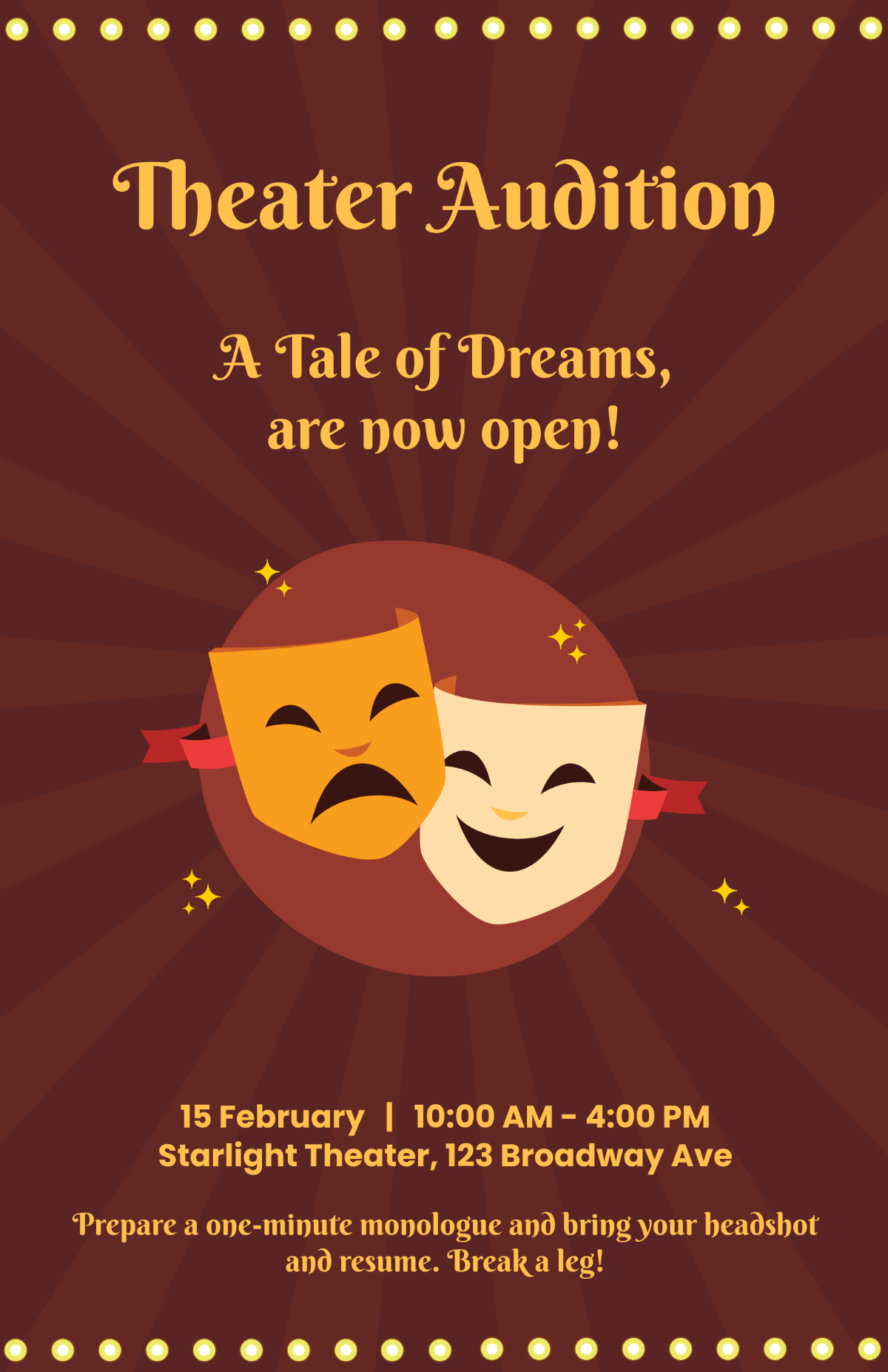
- Setting the Tone and Genre: Is your production a whimsical musical, a gripping drama, a hilarious comedy, or a thought-provoking experimental piece? The lettering should immediately signal this. A playful script font might be perfect for a children’s play, while a bold, sans-serif font could be ideal for a modern thriller.
- Attracting the Right Talent: Different actors are drawn to different types of projects. Your poster’s lettering can act as a filter, attracting performers who are genuinely interested in the kind of work you’re offering. A sophisticated serif font might appeal to classically trained actors, while a more avant-garde typeface could attract experimental performers.
- Readability and Accessibility: This is paramount. Even the most beautiful font is useless if no one can read the essential details. Audition poster lettering styles must prioritize clarity, ensuring that crucial information is easily digestible at a glance.
- Creating a Memorable Brand: Your audition poster is the first touchpoint for potential participants. Consistent and well-chosen lettering can contribute to a recognizable brand for your theatre company or production.
Exploring the Spectrum: Key Audition Poster Lettering Styles
Let’s dive into the diverse world of fonts and lettering styles that can elevate Fashion week juin a dazzling celebration of style your audition posters from ordinary to extraordinary. Understanding the characteristics of each category will help you make informed choices.
Serif Fonts: The Classics with Enduring Charm
Serif fonts are characterized by small decorative strokes (serifs) at the ends of the main strokes of letters. They often evoke a sense of tradition, authority, and elegance.
- Characteristics: These fonts feel established, reliable, and often sophisticated. They are excellent for conveying a sense of history, drama, or a more formal theatrical experience.
- When to Use Them:
- Period Dramas: Think Shakespeare, Jane Austen adaptations, or historical epics.
- Classic Musicals: "The Sound of Music," "My Fair Lady," or "Oklahoma!"
- Serious Dramas: Plays dealing with complex human emotions or societal issues.
- Formal Announcements: When you want to project an air of professionalism and gravitas.
- Popular Examples:
- Times New Roman: A ubiquitous and highly readable serif font.
- Garamond: Known for its classic beauty and slightly vintage feel.
- Georgia: A friendly and readable serif, often used for web content but also effective in print.
- Baskerville: Elegant and refined, often used for literary works.
- Considerations: While classic, some serif fonts can appear dated if not used thoughtfully. Pair them with modern design elements to keep your poster fresh.
Sans-Serif Fonts: The Modern Mavericks of Clarity
Sans-serif fonts, as the name suggests, lack serifs. They are known for their clean lines, modern aesthetic, and excellent readability, especially at smaller sizes.
- Characteristics: These fonts exude modernity, simplicity, and directness. They are highly versatile and can adapt to a wide range of tones.
- When to Use Them:
- Contemporary Plays: Modern dramas, comedies, and experimental theatre.
- Musicals with a Pop/Rock Feel: "Hamilton," "Rent," or "Spring Awakening."
- Sci-Fi and Thrillers: Their clean lines can convey a sense of futurism or starkness.
- General Information: Excellent for body text and crucial details due to their legibility.
- Popular Examples:
- Arial: A widely recognized and very readable sans-serif.
- Helvetica: A design staple, known for its neutrality and versatility.
- Open Sans: A popular choice for its readability and friendly appearance.
- Montserrat: A geometric sans-serif with a strong, modern character.
- Lato: A clean and elegant sans-serif that feels both professional and approachable.
- Considerations: While generally safe, some sans-serifs can feel too corporate or sterile if not used with flair. Consider variations in weight and style.
Script Fonts: The Elegant Flourish of Personality
Script fonts mimic handwriting or calligraphy, adding a touch of personal flair, elegance, or whimsy.
- Characteristics: These fonts can be romantic, playful, sophisticated, or even dramatic, depending on their style. They are best used sparingly for emphasis.
- When to Use Them:
- Romantic Comedies: To convey charm and lightheartedness.
- Musicals with a Classic or Elegant Vibe: "Singin’ in the Rain" or "Guys and Dolls."
- Plays with a Personal or Intimate Story: Where a handwritten feel might resonate.
- Special Announcements: For a touch of celebratory flair.
- Popular Examples:
- Great Vibes: A flowing and elegant script font.
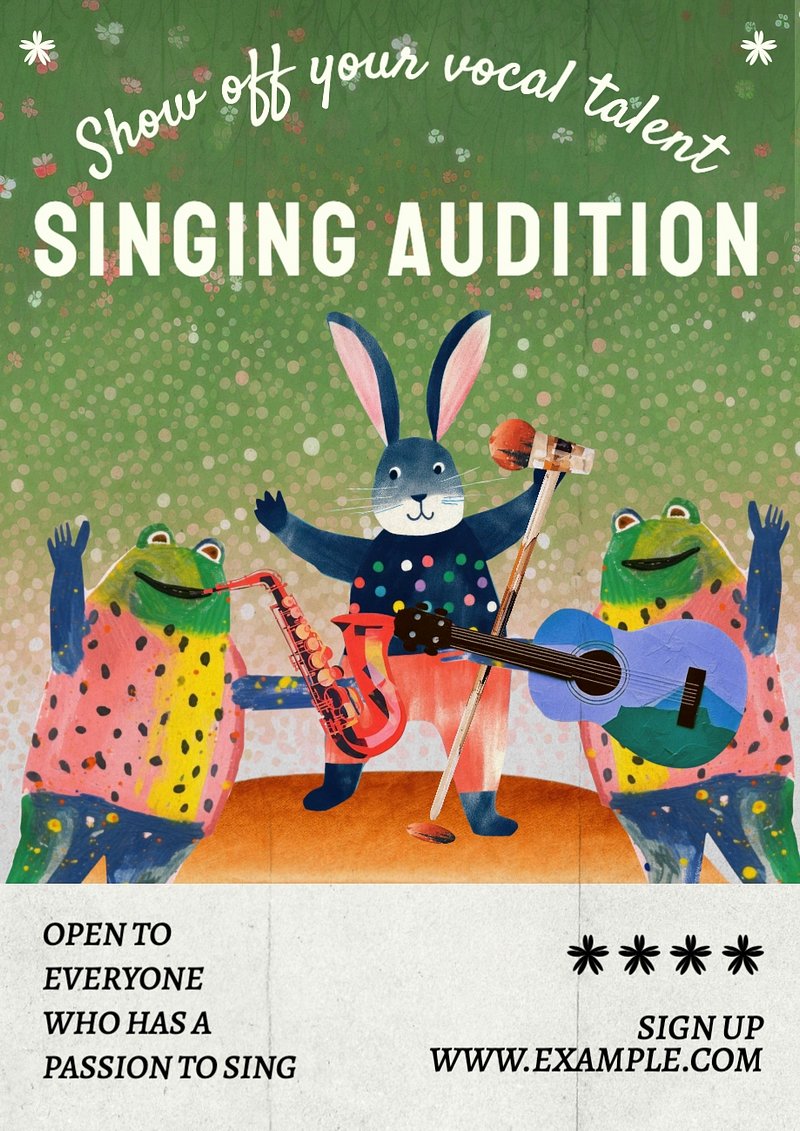
- Pacifico: A casual and playful script that feels summery.
- Dancing Script: A more informal and energetic script.
- Considerations: Audition poster lettering styles using script fonts require careful consideration. Overuse can lead to illegibility. They are best used for titles or key phrases, paired with a more readable font for the body text. Ensure the script is clear enough to read from a distance.
Display Fonts: The Bold Statement Makers
Display fonts are designed for headlines and short bursts of text. They are often highly stylized, decorative, and intended to grab attention.
- Characteristics: These fonts are all about impact and personality. They can be quirky, bold, artistic, or even theatrical.
- When to Use Them:
- Titles and Headlines: To immediately capture the viewer’s eye.
- Thematic Emphasis: To visually represent the genre or mood of the production.
- Creating a Unique Visual Identity: For experimental or avant-garde productions.
- Popular Examples:
- Impact: A condensed, bold sans-serif that demands attention.
- Lobster: A retro-inspired script with a strong personality.
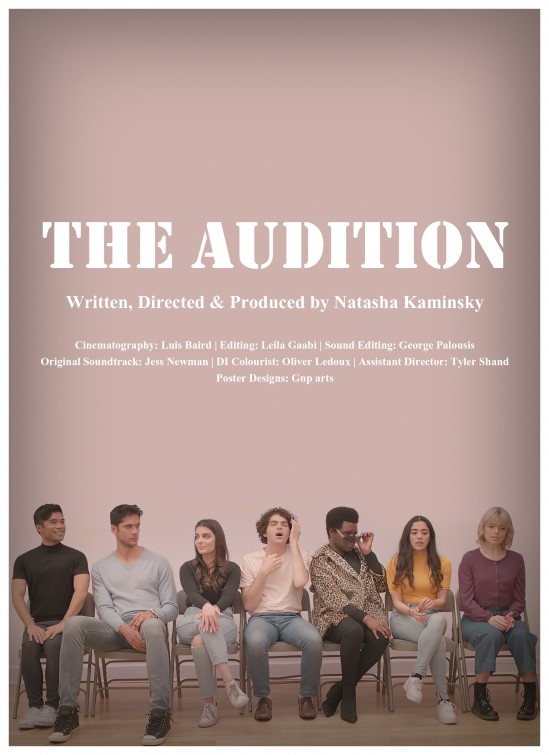
- Bebas Neue: A tall, condensed sans-serif that’s great for impactful titles.
- Many decorative and novelty fonts: These can be highly specific to a theme.
- Considerations: Display fonts are not for body text. They can be difficult to read in large blocks. Choose them carefully to ensure they align with your production’s overall message and don’t overpower other important information.
Beyond the Font: Mastering the Art of Lettering Application
Choosing the right font is only half the battle. How you use that font, its size, weight, spacing, and color, are equally critical to creating effective audition poster lettering styles.
Font Pairing: The Dynamic Duo
Rarely will a single font suffice for an entire audition poster. Effective font pairing is an art form that creates visual hierarchy and enhances readability.
- The Rule of Two (or Three): Aim for no more than two or three distinct font families. A common and effective pairing is a more decorative or impactful font for the title and a clean, readable sans-serif or serif for the body text.
- Contrast is Key: Pair a bold, attention-grabbing font with a simple, understated one. For example, a dramatic display font for the title can be beautifully complemented by a clear sans-serif for the details.
- Harmony is Essential: Ensure your chosen fonts have a similar mood or aesthetic. A playful script font might clash with a severe, gothic serif.
- Testing Readability: Always test your font pairings at different sizes to ensure all information remains legible.
Weight and Style: Adding Depth and Emphasis
The weight (boldness) and style (italic, regular) of a font offer subtle yet powerful ways to guide the viewer’s eye and emphasize key information.
- Bold for Impact: Use bold weights for titles, important dates, or calls to action. This draws immediate attention.
- Italics for Nuance: Italics can be used for subheadings, specific role names, or to add a touch of emphasis without being as strong as bold.
- Varying Weights: Many font families offer a range of weights (light, regular, medium, bold, black). Utilizing these variations within a single font family can create a cohesive yet dynamic look.
Spacing and Alignment: The Unsung Heroes of Design
The white space around your text and how it’s aligned significantly impacts the poster’s overall feel and readability.
- Leading (Line Spacing): The space between lines of text. Too little leading makes text feel cramped; too much can make it feel disconnected. Aim for comfortable readability.
- Kerning (Space Between Letters): The adjustment of space between specific letter pairs. While often handled by font designers, some software allows for manual kerning to improve visual appeal, especially in large headlines.
- Alignment:
- Left-aligned: The most common and easiest to read for blocks of text.
- Center-aligned: Can be effective for titles and short phrases, but can be harder to read for longer passages.
- Right-aligned: Less common for body text, but can be used for stylistic effect in specific design contexts.
- Justified: Text aligned to both the left and right margins. Can look neat but can create awkward spacing between words.
Color and Contrast: Making Your Letters Pop
The color of your text and its contrast with the background are fundamental to visibility and aesthetic appeal.
- High Contrast is Crucial: Ensure your text color stands out clearly against the background. Black text on a white background is the classic for a reason, but don’t be afraid to experiment with vibrant color combinations as long as readability is maintained.
- Color Psychology: Colors evoke emotions. Red can signify passion or urgency, blue can suggest calmness or professionalism, and yellow can convey joy or creativity. Use color strategically to enhance your production’s theme.
- Consistency: Maintain a consistent color palette throughout your poster for a cohesive look.
Crafting Your Masterpiece: Practical Tips for Choosing Audition Poster Lettering Styles
Now that you understand the building blocks, let’s put it all together. Here are some practical tips to help you select the perfect audition poster lettering styles:
- Understand Your Production: What is the genre? What is the mood? Who is your target audience (age, experience level)? This is your primary guide.
- Prioritize Readability: No matter how stylish, if the essential information (dates, times, location, contact) is hard to read, your poster fails.
- Keep it Simple (Mostly): While creativity is encouraged, avoid overwhelming your poster with too many fonts, colors, or decorative elements.
- Consider the Medium: Where will the poster be displayed? Online? On a busy bulletin board? This can influence font size and boldness.
- Test, Test, Test: Print out your design at full size and view it from a distance. Ask others for their feedback.
- Embrace Negative Space: Don’t feel the need to fill every inch of the poster. White space (or negative space) allows your design and text to breathe.
- Look for Inspiration: Browse existing theatre posters, graphic design websites, and even movie posters for ideas.
Frequently Asked Questions about Audition Poster Lettering Styles
Q1: What is the most important factor when choosing audition poster lettering styles?
A1: Readability is paramount. Even the most beautiful font is ineffective if the essential audition details cannot be easily understood.
Q2: Can I use more than three font styles on my audition poster?
A2: It’s generally best to stick to two or three font families at most. Too many fonts can make your poster look cluttered and unprofessional.
Q3: What are the best fonts for a comedy audition poster?
A3: For comedies, consider playful script fonts, bold and quirky sans-serifs, or even some retro-inspired display fonts that convey a sense of fun and energy.
Q4: How can I make my audition poster stand out from others?
A4: Use a strong, thematic font for your title, ensure excellent contrast between text and background, and employ compelling imagery. Strategic use of negative space can also help your poster pop.
Q5: Should I use a script font for the main audition details?
A5: It’s generally not recommended to use script fonts for crucial information like dates, times, and contact details, as they can be difficult to read quickly. Reserve script fonts for titles or decorative elements.
Conclusion: Your Words, Your Stage, Your Success!
The art of audition poster lettering styles is a powerful tool in your creative arsenal. By thoughtfully selecting and applying fonts, you can craft audition posters that not only inform but also captivate, inspire, and attract the very talent you seek. Remember, your poster is the opening act of your production – make it a showstopper!
We hope this comprehensive guide has illuminated the path to creating visually stunning and highly effective audition posters. Now, go forth and design with confidence! Share your favorite audition poster lettering styles in the comments below, or tell us about a poster that truly caught your eye! Let’s build a community of creative inspiration!