Barbie French Poster History: A Captivating Journey Through Iconic Imagery
The allure of Barbie extends far beyond her plastic perfection and ever-evolving wardrobe. For decades, her presence has been immortalized on posters, and when we delve into the Barbie French poster history, we uncover a fascinating narrative of cultural exchange, artistic evolution, and the enduring power of a global icon. These posters are not merely advertisements; they are vibrant snapshots, capturing the spirit of different eras and the unique way France embraced the world’s most famous doll. From playful illustrations to sophisticated designs, the Barbie French poster history offers a captivating journey that resonates with collectors, enthusiasts, and anyone who has ever dreamed with Barbie.
The Dawn of Barbie in France: Early Introductions and Initial Impressions
When Barbie first arrived on French shores in the late 1950s and early 1960s, she was London fashion week tickets your ultimate guide to securing a spot at the most coveted event a revolutionary concept. The initial Barbie French poster history reflects this novelty. These early posters often featured Barbie in her classic poses, showcasing her glamorous lifestyle and aspirational qualities. The artwork was typically bright, cheerful, and undeniably American in its aesthetic.
Early Advertising Strategies: Capturing the Imagination
- Focus on Glamour and Fashion: The earliest French posters for Barbie heavily emphasized her fashionable attire and sophisticated persona. This aligned with the French appreciation for haute couture and elegance, making Barbie an instant object of desire.
- Illustrative Style: Many of these posters utilized charming illustrations, often depicting Barbie in aspirational settings like Parisian cafes or elegant parties. This illustrative approach lent a sense of whimsy and storytelling to the advertisements.
- Simple Messaging: The messaging was straightforward, introducing Barbie as a doll that offered endless possibilities for imaginative play. Phrases like "La Poupée Qui Fait Tout" (The Doll That Does It All) were common, highlighting her versatility.
Cultural Adaptation: Subtle Nuances in Early Designs
While the core essence of Barbie remained consistent, there were subtle adaptations in the Barbie French poster history to resonate with the French audience.
- French Language Integration: Naturally, all text on the posters was in French, ensuring accessibility and a direct connection with the local market.
- Visual Cues: While not always overt, some early designs might have incorporated subtle visual cues that appealed to French sensibilities, perhaps a slightly more artistic rendering or a softer color palette compared to some of her more boisterous American counterparts.
The Swinging Sixties and Seventies: Barbie Embraces French Flair
As the decades progressed, so did Barbie’s image, and the Barbie French poster history began to reflect the evolving cultural landscape of France. The 1960s and 1970s were periods of significant social and artistic change, and Barbie, ever the chameleon, adapted.
A Shift Towards Sophistication and Modernity
- Chic Parisian Style: Posters from this era often depicted Barbie with a more sophisticated, chic Parisian look. Think elegant dresses, stylish hairstyles, and poses that exuded a certain je ne sais quoi.
- Artistic Evolution: The illustration styles became more refined. Artists began to experiment with different techniques, sometimes incorporating elements of contemporary French art and design.
- Thematic Campaigns: Campaigns started to focus on specific themes, such as Barbie as a fashion model, a career woman, or a traveler, all presented with a distinctly French sensibility.
Iconic Themes and Motifs in French Posters
- "La Mode Barbie": The emphasis on fashion was paramount. Posters showcasing Barbie in the latest trends, often with a nod to French designers, were highly popular.
- "Barbie et Ses Amis": The introduction of Ken and other friends allowed for posters depicting social gatherings and shared adventures, further enhancing Barbie’s aspirational lifestyle.
- The Eiffel Tower and Parisian Landmarks: It wasn’t uncommon to see Barbie depicted against iconic Parisian backdrops, solidifying her connection with the city and its romantic allure.
The 1980s and 1990s: Barbie’s Global Domination and French Interpretations
The Barbie French poster history in the 1980s and 1990s mirrored Barbie’s global explosion in popularity. These decades saw a diversification of Barbie’s roles and a more dynamic visual language in her advertising.
Embracing Diversity and New Careers
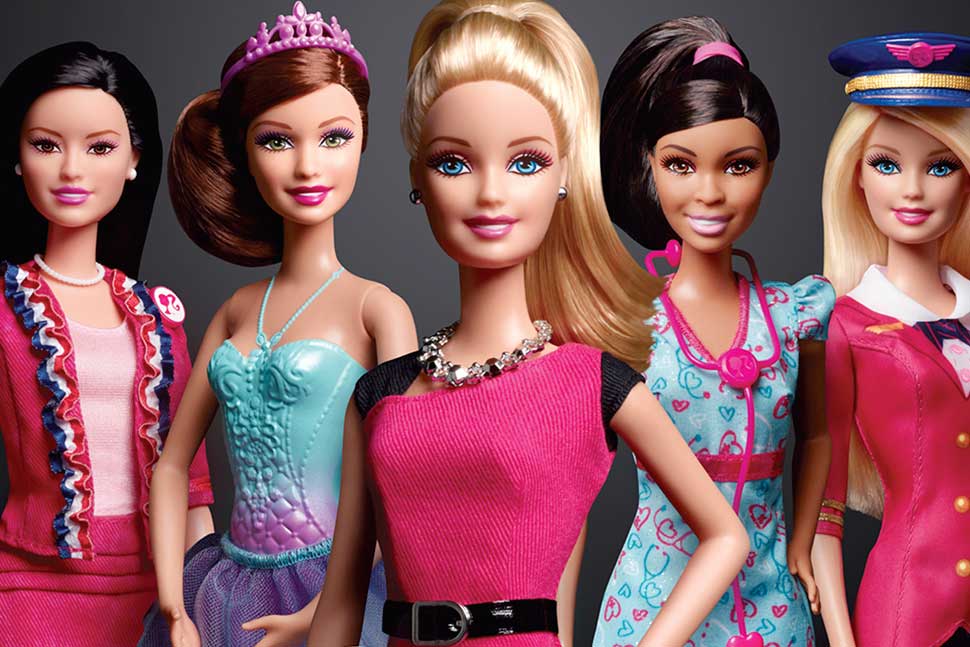
- Career-Focused Barbie: Posters began to highlight Barbie’s diverse career paths, from doctor and astronaut to businesswoman and veterinarian. This reflected a broader societal shift towards empowering young girls.
- Vibrant and Energetic Designs: The artwork often became more vibrant and energetic, reflecting the pop culture trends of the time. Bold colors, dynamic poses, and a sense of fun characterized many of these posters.
- The Rise of Collectibles: As Barbie’s popularity grew, so did the collector market. Posters from this era, especially those with unique French designs, started to gain collectible value.
French Marketing Nuances: Beyond the Global Standard
While Barbie was a global brand, French marketing often retained a distinct flavor.
- Emphasis on Play Value: French posters continued to highlight the imaginative play aspect, encouraging children to create their own stories and adventures with Barbie.
- Artistic Collaborations: There were instances where French artists or illustrators contributed to the design of Barbie posters, bringing their unique perspectives and artistic styles to the brand. This added a layer of artistic merit to the Barbie French poster history.
- Special Editions and Promotions: France often had unique promotions and special edition Barbies, which were prominently featured in their respective posters.
The 21st Century: Barbie in the Digital Age and Enduring Appeal
In the 21st century, the Barbie French poster history has evolved to incorporate digital media and a renewed focus on inclusivity and empowerment.
Modern Aesthetics and Digital Influence
- Sleeker Designs: Posters have adopted sleeker, more modern design aesthetics, often incorporating photographic elements alongside illustrations.
- Digital Artistry: The influence of digital art is evident, with more sophisticated graphic design techniques being employed.
- Social Media Integration: While not directly on posters, the spirit of social media engagement is often reflected in the dynamic and shareable nature of modern Barbie imagery.
Renewed Focus on Inclusivity and Empowerment
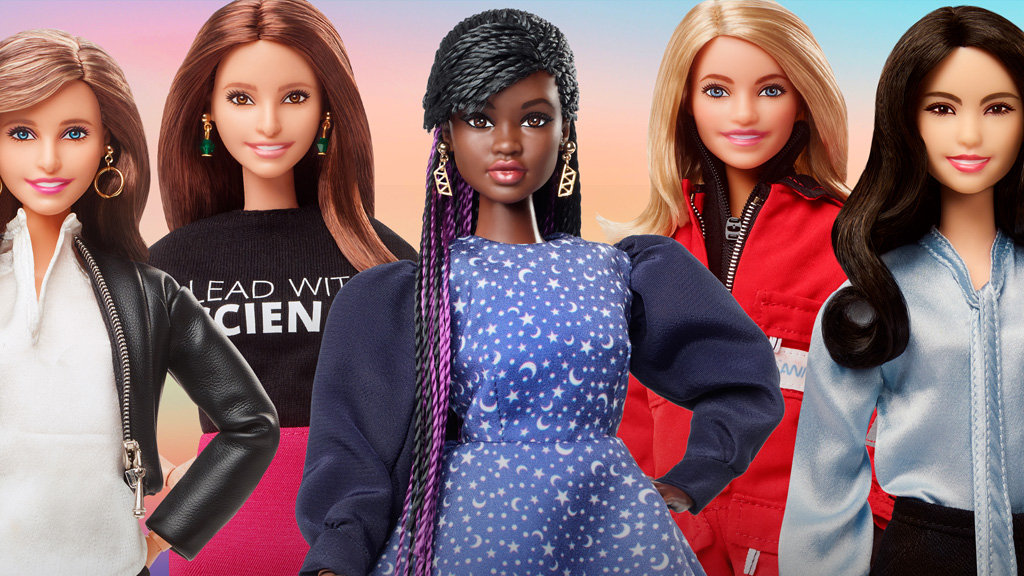
- Diverse Representation: Modern Barbie posters, including those released in France, increasingly showcase a diverse range of Barbies, reflecting different ethnicities, body types, and abilities. This aligns with contemporary values and a desire for broader representation.
- Empowerment Narratives: The messaging has shifted towards empowering narratives, emphasizing Barbie’s strength, intelligence, and ability to achieve her dreams.
- Nostalgia and Collectibles: The enduring appeal of vintage Barbie posters from France continues to be strong among collectors, who appreciate the historical and artistic significance of these pieces. The Barbie French poster history is a testament to her lasting legacy.
The Enduring Legacy of Barbie French Posters
The Barbie French poster history is a rich tapestry woven with threads of fashion, culture, and artistic expression. These posters are more than just paper and ink; they are windows into the past, reflecting societal shifts and the ever-evolving perception of a beloved icon. For collectors, they represent valuable artifacts, each telling a unique story of Barbie’s journey through France. For enthusiasts, they are a source of joy and nostalgia, reminding us of the dreams and aspirations that Barbie has inspired for generations.
The evolution of Barbie posters in France showcases a remarkable ability to adapt and resonate with a discerning audience. From the initial introduction of a glamorous American doll to her embrace of modern values and diverse representation, Barbie’s presence on French posters has been a consistent and powerful force. The Barbie French poster history is a testament to her enduring appeal and her ability to transcend cultural boundaries, continuing to capture the hearts and imaginations of people worldwide.
Frequently Asked Questions About Barbie French Poster History
Q1: When did Barbie first appear on French posters?
A1: Barbie first appeared on French posters in the late 1950s and early 1960s, coinciding with her initial introduction to the French market.
Q2: What were the key themes in early Barbie French posters?
A2: Early themes focused on Barbie’s glamour, fashion, and aspirational lifestyle, often with a cheerful and illustrative style that appealed to children and parents alike.
Q3: Did Barbie posters in France differ significantly from those in other countries?
A3: While Barbie’s core image was global, French posters often incorporated subtle cultural nuances, including specific artistic styles, French language messaging, and sometimes iconic Parisian imagery, to resonate with the local audience.
Q4: Are vintage Barbie French posters valuable to collectors?
A4: Yes, vintage Barbie French posters, especially those with unique designs or from significant eras, are highly sought after by collectors and can hold considerable value due to their historical and artistic significance.
Q5: How has the style of Barbie French posters evolved over time?
A5: The style has evolved from simple illustrations to more sophisticated and diverse designs, reflecting changing artistic trends, technological advancements (like digital art), and a growing emphasis on inclusivity and empowerment in modern marketing.
Q6: Where can I find information or examples of Barbie French poster history?
A6: You can find examples and information through online collector forums, specialized Barbie memorabilia websites, auction sites, and in books dedicated to Barbie’s history and marketing. Museums or exhibitions focused on toys and pop culture might also feature them.