/KoreanFolkDanceMultidashbitsviaGetty-56a042f83df78cafdaa0b919.jpg "Korean Dresses for Women Traditional: A Timeless Elegance Unveiled")
Discover the captivating beauty and rich heritage of Korean dresses for women traditional, a testament to centuries of artistry and cultural pride. These exquisite garments are more than just clothing; they are wearable stories, each fold and embellishment whispering tales of history, tradition, and a profound appreciation for aesthetics. From the regal grace of the Hanbok to the subtle charm of everyday wear, exploring Korean dresses for women traditional offers a fascinating journey into the heart of Korean culture.
The Enduring Allure of the Hanbok: Korea’s Iconic Traditional Dress
When we speak of Korean dresses for women traditional, the Hanbok immediately springs to mind. This iconic garment, with its vibrant colors, flowing lines, and elegant silhouette, has graced Korean women for centuries and continues to hold a special place in their hearts and wardrobes. The Hanbok is not merely a costume; it’s a symbol of Korean identity, a celebration of its history, and a testament to its enduring artistic spirit. Its resurgence in popularity, both within Korea and globally, speaks volumes about its timeless appeal.
A Deeper Dive into Hanbok’s Components and Significance
The Hanbok is a masterpiece of design, characterized by its distinct components, each contributing to its unique aesthetic and functionality. Understanding these elements allows for a deeper appreciation of the craftsmanship and cultural significance embedded within each dress.
The Jeogori: The Graceful Upper Garment
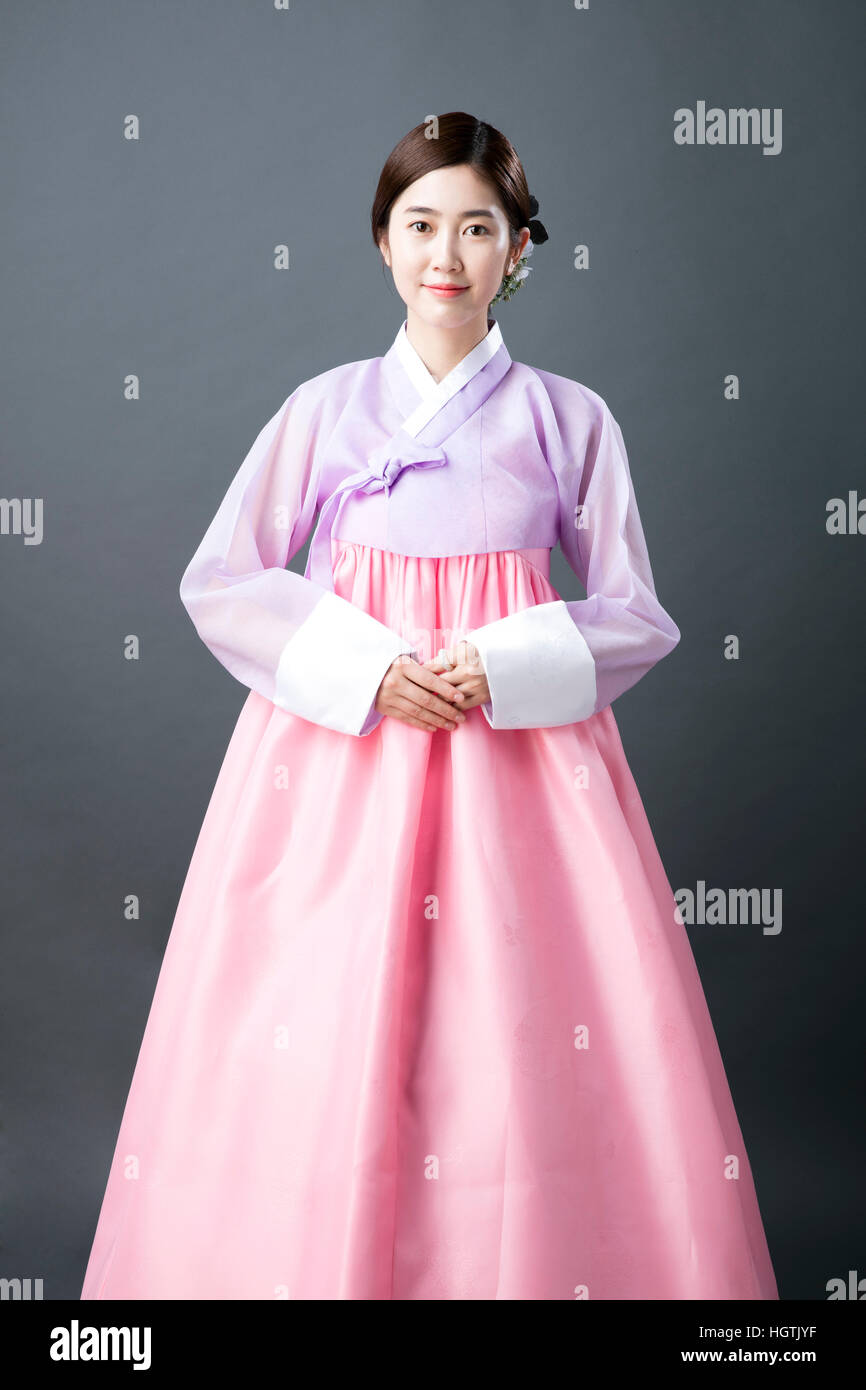
The Jeogori is the upper garment of the Hanbok, akin to a jacket or blouse. It typically features a high neckline, often adorned with a Git, a contrasting collar that adds a touch of sophistication. The sleeves of the Jeogori are usually wide and flowing, adding to the garment’s graceful movement. The Dongjeong, a white, detachable collar, is another key feature, symbolizing purity and cleanliness. The length of the Jeogori has varied throughout history, from shorter versions in the Joseon Dynasty to longer ones in more recent times. The fabric choice for the Jeogori can range from luxurious silk for formal occasions to comfortable cotton for everyday wear.
The Chima: The Voluminous and Elegant Skirt
The Chima is the voluminous, A-line skirt that forms the lower half of the Hanbok. Its defining characteristic is its generous fabric, creating a beautiful, flowing silhouette that moves elegantly with the wearer. The Chima is typically high-waisted, accentuating the upper body and creating a flattering proportion. The way the Chima is worn and its fullness can convey different levels of formality and occasion. For special events, Chimas are often made from rich, textured fabrics, sometimes with intricate embroidery or patterns. The sheer volume of the Chima is not just for aesthetics; it also provides comfort and freedom of movement.
The Baerae: The Undulating Hemline
A subtle yet crucial element of the Hanbok is the Baerae, the undulating hemline of the Chima. This carefully crafted curve at the bottom of the skirt adds a dynamic visual element, making the Hanbok appear to "dance" as the wearer moves. This detail showcases the meticulous attention to detail and the artistic sensibility of Korean designers.
The Goreum: The Decorative and Functional Tie
The Goreum is the long, ribbon-like tie that fastens the Jeogori. While functional, the Goreum is also a decorative element, often made from contrasting fabric or adorned with tassels. The way the Goreum is tied can vary, adding another layer of personal expression to the Hanbok.
Hanbok Through the Ages: A Historical Perspective
The Hanbok has undergone significant evolution throughout Korean history, reflecting changing social norms, aesthetic preferences, and even political influences. Understanding this evolution provides a richer context for appreciating the modern Hanbok.
- Ancient Origins: Traces of Hanbok-like garments can be found in ancient Korean kingdoms, with early forms likely influenced by nomadic cultures and neighboring civilizations.
- Joseon Dynasty (1392-1897): This era is considered the golden age of the Hanbok, where its classic silhouette and design principles were firmly established. Social status heavily influenced the colors, fabrics, and embellishments used.
- Japanese Colonial Period (1910-1945): During this period, traditional Korean clothing faced pressure to conform to Japanese styles. However, the Hanbok persisted as a symbol of national identity and resistance.
- Modern Era: Post-liberation, the Hanbok experienced a revival, adapting to modern lifestyles while retaining its core essence. Contemporary Hanboks often feature lighter fabrics, more streamlined designs, and a wider range of colors and patterns, making them more accessible for everyday wear and special occasions.
Occasions for Wearing the Hanbok: From Grand Celebrations to Intimate Moments
While the Hanbok is deeply rooted in tradition, its relevance extends far beyond historical reenactments. Today, Korean women embrace the Hanbok for a variety of occasions, infusing modern life with a touch of timeless elegance.
- Weddings: The Hanbok is an indispensable part of Korean weddings. Brides often wear elaborately decorated Hanboks in vibrant colors, while grooms opt for more subdued yet equally elegant ensembles. Family members also frequently don Hanboks to honor the occasion.
- Chuseok (Korean Thanksgiving): This harvest festival is a significant time for families to gather. Wearing Hanbok during Chuseok is a way to honor ancestors and celebrate Korean heritage.
- Seollal (Lunar New Year): Similar to Chuseok, Seollal is a joyous occasion where wearing Hanbok signifies respect for elders and a fresh start to the year.
- First Birthday (Doljanchi): The Doljanchi is a milestone celebration for a baby’s first birthday. The baby is often dressed in a miniature Hanbok, symbolizing good fortune and a bright future.
- Graduations and Special Events: Many Korean women choose to wear Hanbok for graduations, formal ceremonies, and other significant personal milestones as a way to mark the occasion with cultural pride.
- Modern Interpretations and "Daily Hanbok": In recent years, there’s been a growing trend of "daily Hanbok" or "modern Hanbok." These are more casual, simplified versions of the traditional garment, made with comfortable fabrics and designed for everyday wear. They offer a stylish and unique way to incorporate Korean aesthetics into contemporary fashion.
Beyond the Hanbok: Exploring Other Traditional Korean Dresses for Women
While the Hanbok is the most recognized traditional Korean dress, other garments also hold cultural significance and offer a glimpse into the diverse sartorial landscape of Korea.
The Durumagi: The Elegant Outer Robe
The Durumagi is a traditional Korean outer robe, often worn over the Hanbok. It is characterized by its straight lines, wide sleeves, and the distinctive Otgoreum, a long, ribbon-like tie. The Durumagi Fashion week paris dates unveiling the dazzling future of style was historically worn by scholars and officials, but it has also been adopted by women as a stylish and elegant outer layer. Its simple yet sophisticated design makes it a versatile piece that can add a touch of refinement to any outfit.
The Magoja: The Versatile Short Jacket
The Magoja is a short, open-fronted jacket that can be worn over the Jeogori. It typically features a mandarin collar and is often made from silk or brocade. The Magoja adds an extra layer of warmth and visual interest to the Hanbok ensemble. It was particularly popular in the late Joseon Dynasty and early 20th century.
The Bokjang: Decorative Shoulder Embellishments
While not a standalone dress, Bokjang refers to decorative shoulder embellishments that were often added to traditional Korean garments, particularly for formal occasions. These could be embroidered or made from contrasting fabrics, adding a touch of opulence and status.
The Craftsmanship and Symbolism Woven into Korean Dresses for Women Traditional
The creation of Korean dresses for women traditional is an art form that involves meticulous craftsmanship and a deep understanding of symbolism. Every detail, from the choice of fabric to the intricate embroidery, carries meaning and contributes to the overall beauty and significance of the garment.
Fabric Choices: A Symphony of Textures and Colors
The selection of fabrics plays a crucial role in defining the character of a Korean dress.
- Silk: The epitome of luxury, silk is the preferred fabric for formal Hanboks and special occasions. Its lustrous sheen, smooth texture, and ability to hold vibrant colors make it ideal for creating breathtaking garments.
- Ramie (Mosquito Net Fabric): Known for its breathability and crisp texture, ramie is a popular choice for summer Hanboks. It offers a cool and comfortable feel while maintaining an elegant drape.
- Cotton: For everyday wear and more casual Hanboks, cotton is a practical and comfortable choice. It is durable, easy to care for, and comes in a wide range of patterns and colors.
- Hemp: Similar to ramie, hemp is a natural fiber that offers breathability and durability, making it suitable for warmer climates.
Colors: A Language of Meaning and Emotion
Colors in Korean dresses are not merely decorative; they are imbued with symbolic meaning and convey a range of emotions and social statuses.
- White: Represents purity, innocence, and cleanliness. It is a foundational color in traditional Korean culture.
- Red: Symbolizes passion, vitality, and good fortune. It is often used for celebratory occasions.
- Blue: Represents the sky, the sea, and calmness. It can also signify nobility and wisdom.
- Yellow: Associated with the earth, prosperity, and royalty.
- Green: Symbolizes nature, growth, and harmony.
- Black: Can represent mystery, elegance, and authority.
The combination of colors in a Hanbok often follows specific traditional guidelines, with certain pairings considered auspicious or indicative of social standing.
Embroidery and Embellishments: Tales in Thread
Embroidery is a highly valued art form in Korean traditional dress. Intricate patterns and motifs are meticulously stitched onto fabrics, each carrying its own symbolic meaning.
- Floral Motifs: Flowers like peonies (wealth and honor), chrysanthemums (longevity), and plum blossoms (resilience) are common and carry auspicious meanings.
- Animal Motifs: Dragons (power and good fortune), phoenixes (femininity and grace), and cranes (longevity and good luck) are frequently depicted.
- Geometric Patterns: Simple yet elegant geometric designs can also be incorporated, often symbolizing balance and harmony.
These embellishments are not just decorative; they are a form of storytelling, weaving narratives of good wishes, protection, and prosperity into the very fabric of the garment.
Embracing the Elegance: Where to Find and How to Wear Korean Dresses for Women Traditional
The growing interest in Korean culture has made traditional dresses more accessible than ever before. Whether you’re looking for a stunning Hanbok for a special event or a stylish daily Hanbok, there are various avenues to explore.
Purchasing Korean Dresses for Women Traditional
- Online Retailers: Numerous online stores specialize in selling authentic and modern Hanboks. Websites like Dankook Hanbok, The Hanbok, and various Etsy sellers offer a wide selection of styles, sizes, and price points.
- Specialty Boutiques: In Korea, and in major cities with Korean communities, you can find dedicated Hanbok boutiques offering custom fittings and a curated selection of high-quality garments.
- Rental Services: For those who wish to experience wearing a Hanbok without purchasing one, rental services are widely available, especially in tourist areas and cultural districts in Korea.
Styling Your Korean Dress for Women Traditional
When wearing a Hanbok, consider the occasion and your personal style.
- Formal Occasions: For weddings or significant celebrations, opt for a full Hanbok ensemble with appropriate accessories like a Binyeo (hairpin) or Norigae (tasselled ornament).
- Casual Wear: For daily Hanboks, you can mix and match the Jeogori and Chima with modern accessories like sneakers, boots, or simple jewelry.
- Layering: The Durumagi and Magoja can be layered over Hanboks for added warmth and style, depending on the weather and desired look.
The Enduring Legacy of Korean Dresses for Women Traditional
Korean dresses for women traditional are a powerful embodiment of cultural heritage, artistic expression, and timeless elegance. The Hanbok, in particular, continues to captivate with its graceful silhouette and vibrant spirit. As these beautiful garments are embraced by new generations and appreciated globally, they serve as a constant reminder of Korea’s rich history and its enduring commitment to beauty and tradition.
Frequently Asked Questions About Korean Dresses for Women Traditional
Q1: What is the most iconic traditional Korean dress for women?
A1: The most iconic traditional Korean dress for women is the Hanbok.
Q2: What are the main components of a Hanbok?
A2: The main components of a Hanbok are the Jeogori (upper garment) and the Chima (skirt).
Q3: Are Hanboks only for special occasions?
A3: While traditionally worn for special occasions, there is a growing trend of "daily Hanbok" or "modern Hanbok" designed for everyday wear.
Q4: What do the colors in a Hanbok symbolize?
A4: Colors in Hanboks carry symbolic meanings. For example, white represents purity, red signifies good fortune, and blue symbolizes calmness.
Q5: Where can I buy traditional Korean dresses for women?
A5: You can purchase them from online retailers, specialty boutiques, or through rental services, especially in Korea.
Q6: Is it difficult to wear a Hanbok?
A6: While it might take a little practice, wearing a Hanbok is generally straightforward once you understand the basic structure. Many online resources and rental services offer guidance.
Q7: Are there any other traditional Korean dresses besides the Hanbok?
A7: Yes, other traditional garments include the Durumagi (outer robe) and the Magoja (short jacket), which are often worn with the Hanbok.
Q8: Can I wear modern accessories with a traditional Korean dress?
A8: Absolutely! Modern accessories can be beautifully integrated with daily Hanboks to create a contemporary and stylish look.
Q9: What is the significance of embroidery on Korean dresses?
A9: Embroidery on Korean dresses often features symbolic motifs like flowers and animals, each carrying meanings of good fortune, longevity, and prosperity.
Q10: Are Korean dresses for women traditional suitable for all body types?
A10: The Hanbok’s design, particularly the flowing Chima, is generally very flattering and can be adapted to suit various body types. Modern interpretations also offer more tailored options.