Unveiling the Majestic Beauty of Hanbok: A Deep Dive into Traditional Korean Dress for Women
The world of fashion is a kaleidoscope of evolving trends, yet some styles possess an enduring allure that transcends time. Among these, the traditional Korean dress for women, known as Hanbok (한복), stands out as a beacon of exquisite craftsmanship, rich cultural heritage, and breathtaking beauty. More than just clothing, Hanbok is a vibrant tapestry woven with history, symbolism, and a profound connection to Korean identity. Whether you’re captivated by its graceful silhouette, intrigued by its intricate details, or simply curious about this iconic garment, prepare to be enchanted by the timeless elegance of the traditional Korean dress for women.
This article will take you on a captivating journey through the heart of Hanbok, exploring its historical evolution, the distinct components that define its silhouette, the symbolic meanings embedded within its colors and patterns, and its enduring relevance in contemporary Korean society. We’ll delve into the artistry behind its creation and discover why this traditional Korean dress for women continues to inspire awe and admiration worldwide.
A Glimpse into History: The Evolution of Traditional Korean Dress for Women
The origins of Hanbok can be traced back to the Three Kingdoms period (57 BCE – 668 CE), with its fundamental structure evolving over centuries. Initially, Hanbok was worn by all social classes, reflecting the practical needs and aesthetic sensibilities of the time. However, as Korean society progressed through different dynasties, such as Goryeo (918–1392) and Joseon (1392–1897), the design and ornamentation of Hanbok became more refined and stratified, often indicating social status, occupation, and marital status.
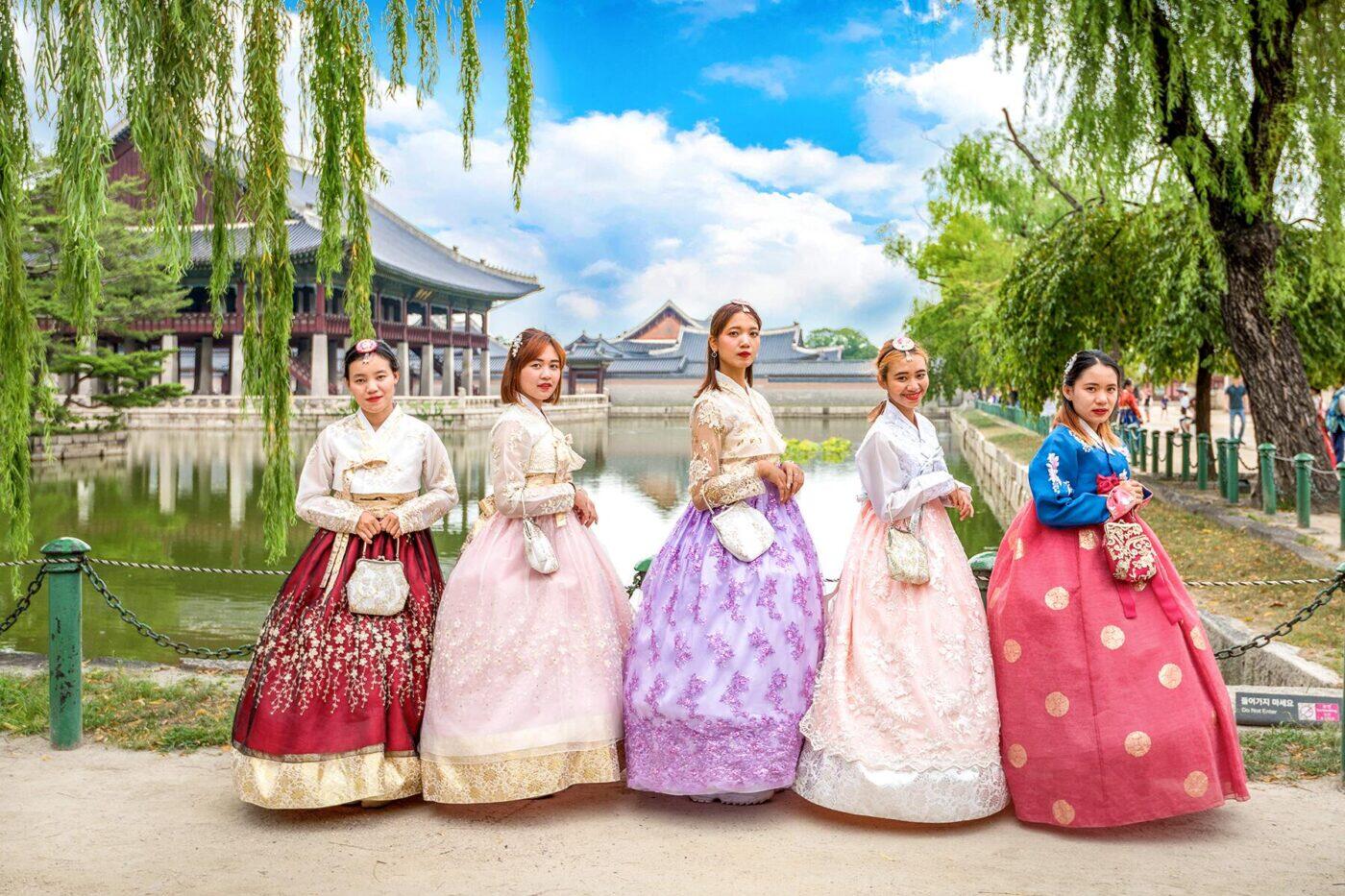
During the Joseon Dynasty, the basic silhouette of the traditional Korean dress for women solidified into the form we recognize today: a fitted jacket called a jeogori (저고리) and a voluminous, high-waisted skirt known as a chima (치마). This period saw the development of intricate embroidery, luxurious fabrics, and a focus on creating a visually harmonious and graceful appearance. While Western clothing gained popularity in the late 19th and early 20th centuries, the deep-seated appreciation for Hanbok ensured its survival, leading to its revival and reinterpretation in modern times. Understanding this historical trajectory is crucial to appreciating the profound significance of the traditional Korean dress for women.
The Anatomy of Grace: Key Components of Traditional Korean Dress for Women
At its core, the beauty of Hanbok lies in its elegant simplicity and the interplay of its distinct components. For women, the most recognizable elements of the traditional Korean dress for women are:
The Jeogori: The Exquisite Jacket
The jeogori is the upper garment of the Hanbok, a short jacket that typically ends just above the bust line. Its defining features include:
- Sleeves: Often wide and gently curved, the sleeves contribute to the overall flowing aesthetic. In more formal or historically accurate Hanboks, the sleeves might be made of contrasting fabric or adorned with intricate patterns.
- Collar (Git – 깃): A stiff, often white collar that encircles the neck, providing a clean and elegant frame. The git is a crucial element that adds a touch of refinement to the traditional Korean dress for women.
- Front Ties (Goreum – 고름): Two long ribbons attached to the jeogori that are tied in a decorative knot, usually at the front. The goreum is not just functional but also a key aesthetic detail, adding a delicate flourish.
- Buttons (Daeumseong – 다음성): While less common in modern interpretations, traditional jeogori might feature decorative buttons or fasteners.
The jeogori can vary in length, fabric, and embellishment, ranging from simple cotton for everyday wear to opulent silk for special occasions. The color and design of the jeogori often complement or contrast with the chima, creating a harmonious ensemble for the traditional Korean dress for women.
The Chima: The Voluminous Skirt
The chima is the defining element of the female Hanbok, a long, flowing skirt that creates a majestic and graceful silhouette. Its characteristics include:
- High Waist: The chima is designed to be worn high on the waist, often just below the bust line, creating an illusion of a longer torso and a more slender figure. This high waist is a signature feature of the traditional Korean dress for women.
- Volume and Drape: The chima is characterized by its generous fabric, which creates beautiful pleats and drapes, allowing for graceful movement. The fullness of the skirt is a testament to the emphasis on elegance and fluidity in the traditional Korean dress for women.
- Fabric and Color: The choice of fabric and color for the chima can vary greatly depending on the occasion and season. Silk, ramie, and cotton are common materials, and colors range from vibrant hues to subtle pastels.
The voluminous nature of the chima is not merely for aesthetic appeal; it also signifies a sense of modesty and elegance, embodying the refined spirit of the traditional Korean dress for women.
Additional Elements and Accessories
Beyond the jeogori and chima, several other elements contribute to the complete look of the traditional Korean dress for women:
- Baeja (배자): A sleeveless vest worn over the jeogori, adding an extra layer of warmth and visual interest.
- Durumagi (두루마기): A long overcoat worn for formal occasions or in colder weather, providing a regal and sophisticated finish.
- Norigae (노리개): Decorative pendants or ornaments attached to the goreum or chima, often featuring intricate designs and symbolic meanings. These add a touch of personal flair to the traditional Korean dress for women.
- Hair Ornaments: Traditional Hanbok is often complemented by ornate hairpins (binyeo – 비녀) and decorative hair ties, further enhancing the overall elegance.
- Shoes: Simple, often embroidered, slip-on shoes (kkotsin – 꽃신) complete the traditional ensemble.
The careful selection and coordination of these elements are what make the traditional Korean dress for women a true work of art.
A Symphony of Colors and Symbolism in Traditional Korean Dress for Women
Colors and patterns in Hanbok are not merely decorative; they are imbued with deep cultural and symbolic meanings, adding another layer of richness to the traditional Korean dress for women.
The Five Cardinal Colors (Obangsaek – 오방색)
Traditional Korean philosophy often references the five cardinal colors, each representing a direction and an element:
- White (Baeksaek – 백색): Represents purity, cleanliness, and the West. It’s a foundational color, often seen in the git of the jeogori.
- Black (Heuksaek – 흑색): Represents the North and water, symbolizing stability and depth.
- Blue (Cheongsaek – 청색): Represents the East and wood, signifying vitality and growth.
- Red (Bongsaek – 봉색): Represents the South and fire, symbolizing passion and good fortune.
- Yellow (Hwangsaek – 황색): Represents the Center and earth, signifying balance and royalty.
These colors, when combined, create a harmonious and visually appealing palette that is characteristic of the traditional Korean dress for women.
Symbolic Patterns and Motifs
Beyond Shopping dress near me plus size your ultimate festive guide solid colors, Hanbok often features intricate embroidery and patterns that carry specific meanings:
- Flowers: Peonies symbolize wealth and honor, while chrysanthemums represent longevity.
- Animals: Dragons signify power and good fortune, while phoenixes represent femininity and grace.
- Nature: Clouds symbolize good luck and prosperity, and cranes represent longevity and purity.
The careful incorporation of these motifs elevates the traditional Korean dress for women from mere attire to a narrative woven into fabric.
Occasions for Adornment: When to Embrace the Traditional Korean Dress for Women
While everyday wear of Hanbok has diminished, it remains a cherished garment for significant cultural events and celebrations. The traditional Korean dress for women is a staple for:
- Chuseok (추석): The Korean harvest festival, a time for family gatherings and expressing gratitude.
- Seollal (설날): The Lunar New Year, a period of renewal and ancestral veneration.
- Weddings: Brides often wear elaborate and colorful Hanboks, while guests may opt for more subdued styles.
- First Birthdays (Dol – 돌): A significant milestone for a child, where parents dress them in beautiful Hanboks.
- Special Ceremonies and Festivals: Various traditional ceremonies and local festivals often see participants donning Hanbok.
Wearing the traditional Korean dress for women on these occasions is a way to honor heritage, express joy, and connect with a shared cultural identity.
The Modern Renaissance: Traditional Korean Dress for Women in Contemporary Times
In recent years, there has been a remarkable resurgence of interest in Hanbok, both within Korea and internationally. This modern renaissance is characterized by:
- Designer Hanbok: Contemporary designers are reinterpreting Hanbok, blending traditional aesthetics with modern silhouettes, fabrics, and practicality. These "생활한복" (saenghwal hanbok – daily life Hanbok) are designed for everyday wear, making the beauty of the traditional Korean dress for women accessible to a wider audience.
- Pop Culture Influence: The global popularity of K-dramas and K-pop has significantly boosted the visibility and appeal of Hanbok. Idols and actors often showcase stunning Hanbok designs, inspiring fans worldwide.
- Cultural Tourism: Many tourists visiting South Korea seek out the experience of wearing Hanbok, often renting them for photoshoots in historical palaces and traditional villages. This firsthand experience allows them to appreciate the beauty and craftsmanship of the traditional Korean dress for women.
- Global Appreciation: The intricate designs, vibrant colors, and rich cultural significance of Hanbok have garnered international acclaim, with fashion enthusiasts and cultural connoisseurs recognizing its unique artistic merit.
This modern interpretation ensures that the traditional Korean dress for women is not a relic of the past but a living, evolving art form.
The Artistry of Creation: Crafting the Traditional Korean Dress for Women
The creation of a Hanbok is a testament to meticulous craftsmanship and dedication. Traditional methods involve:
- Fabric Selection: Choosing the right fabric is paramount, with silk being prized for its luxurious sheen and drape, while ramie and cotton offer breathability and comfort.
- Pattern Cutting: The unique pattern of Hanbok requires precise cutting to achieve its characteristic silhouette.
- Sewing and Stitching: Hand-stitching is often employed for its delicate finish and durability.
- Embroidery and Embellishment: Intricate embroidery, often done by hand, adds depth, color, and symbolic meaning to the garment.
The skill and artistry involved in creating each traditional Korean dress for women are what make them so valuable and cherished.
Embrace the Enchantment: Why Traditional Korean Dress for Women Captivates
The traditional Korean dress for women, Hanbok, is more than just clothing; it’s a cultural ambassador, a wearable piece of history, and an embodiment of grace and beauty. Its enduring appeal lies in its:
- Timeless Silhouette: The elegant lines and flowing fabric create a universally flattering and aesthetically pleasing form.
- Rich Symbolism: The colors, patterns, and motifs tell stories of Korean culture, philosophy, and aspirations.
- Exquisite Craftsmanship: The dedication to detail and artistry in its creation is truly remarkable.
- Versatility: From casual modern interpretations to grand ceremonial attire, Hanbok offers a spectrum of expression.
Whether you are drawn to its historical significance, its aesthetic charm, or its cultural resonance, the traditional Korean dress for women offers a profound and beautiful connection to a vibrant heritage. It’s a powerful reminder that true elegance often lies in tradition, thoughtfully preserved and beautifully reimagined.
Frequently Asked Questions about Traditional Korean Dress for Women
Q1: What is the traditional Korean dress for women called?
A1: The traditional Korean dress for women is called Hanbok (한복).
Q2: What are the main parts of a woman’s Hanbok?
A2: The main parts are the jeogori (a short jacket) and the chima (a voluminous skirt).
Q3: Is Hanbok comfortable to wear?
A3: Modern Hanboks, especially those designed for daily wear (saenghwal hanbok), are often made with comfortable fabrics and designed for ease of movement. Traditional Hanboks, while beautiful, can sometimes feel more restrictive due to the layers and fabric.
Q4: Can I buy traditional Korean dress for women?
A4: Yes, you can purchase Hanbok from various retailers online and in physical stores, both in Korea and internationally. There are options for both traditional ceremonial Hanbok and modern daily-wear Hanbok.
Q5: What colors are significant in Hanbok?
A5: The five cardinal colors (Obangsaek) – white, black, blue, red, and yellow – hold significant cultural and philosophical meaning in Hanbok.
Q6: Is Hanbok only worn for special occasions?
A6: While traditionally worn for special occasions like holidays and ceremonies, modern Hanbok designs are increasingly being worn for everyday life, making it more accessible.
Q7: What makes Hanbok so beautiful?
A7: The beauty of Hanbok lies in its elegant silhouette, vibrant colors, intricate patterns, rich symbolism, and the exquisite craftsmanship involved in its creation.
Q8: How has traditional Korean dress for women evolved?
A8: Hanbok has evolved over centuries, with its basic structure solidifying during the Joseon Dynasty. In contemporary times, designers are reinterpreting it with modern fabrics, silhouettes, and practicality, leading to a renaissance of the garment.
Q9: Where can I see traditional Korean dress for women?
A9: You can see Hanbok worn during Korean holidays and festivals, at weddings, in historical palaces and traditional villages in Korea, and through media like K-dramas and films.
Q10: What is the cultural significance of Hanbok?
A10: Hanbok is a significant symbol of Korean identity, heritage, and cultural pride. It represents the aesthetic values and historical continuity of the Korean people.
We hope this deep dive into the traditional Korean dress for women has illuminated its captivating beauty and profound cultural significance. Have you ever had the chance to experience Hanbok, either by wearing it or admiring it up close? Share your thoughts and experiences in the comments below – we’d love to hear from you! And if you found this article informative, please share it with your friends and family who might also be enchanted by the timeless elegance of Hanbok.