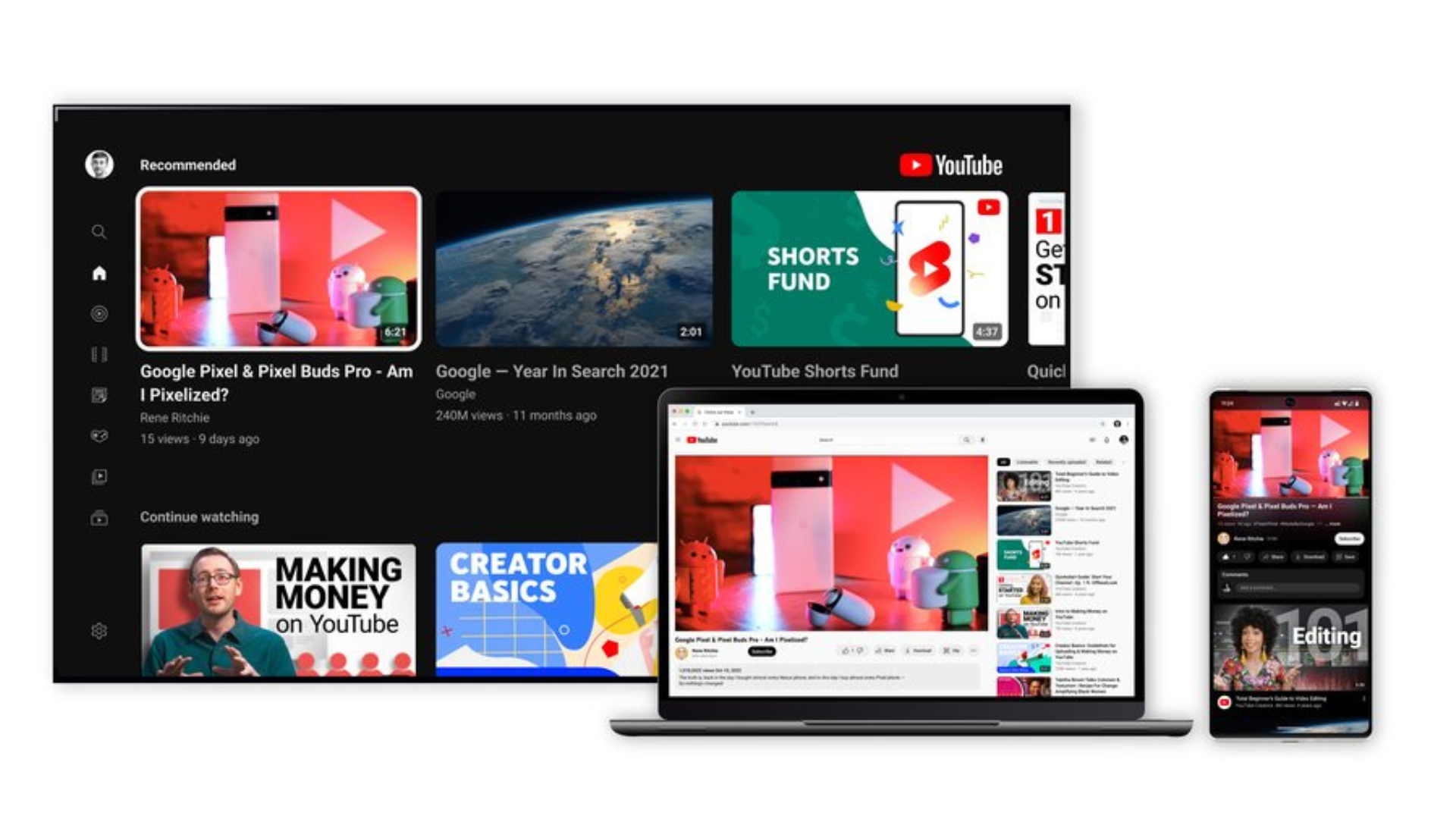
The landscape of entertainment is constantly evolving, and one of the most transformative forces in recent years has been the rise of YouTube. While we often associate YouTube with short-form videos and DIY tutorials, its influence has now powerfully permeated the realm of traditional television. This article delves into the fascinating phenomenon of youtube cosce in tv, exploring how content creators are making the leap from the digital screen to our living room sets, and what this means for the future of broadcasting.
The Unstoppable Rise of YouTube Creators on Television
For years, television was the undisputed king of home entertainment. Families gathered around the television set to watch their favorite shows, news, and movies. However, the advent of the internet and streaming services democratized content creation. Suddenly, anyone with a camera and an idea could reach a global audience. This has led to the emergence of a new breed of celebrities: YouTube stars.
These creators have cultivated massive, dedicated fan bases, often built on authenticity, niche interests, and direct interaction with their audience. It was only a matter of time before this immense popularity translated into opportunities on traditional television. The question is no longer if youtube cosce in tv will be a significant force, but how it will continue to shape the industry.
From Pixels to Prime Time: The Journey of YouTube Stars
The journey from a bedroom studio to a television studio is a remarkable one. Many of today’s most successful YouTubers started with humble beginnings, uploading videos about their passions, hobbies, or daily lives. Through sheer dedication, creativity, and an understanding of their audience, they built empires.
- Niche Expertise: Many YouTubers excel in highly specific areas, from gaming and beauty to science and history. This allows them to connect with a dedicated audience that might not be served by mainstream television.
- Authenticity and Relatability: Unlike highly produced television personalities, YouTube creators often feel more accessible and relatable. Their unscripted nature and direct engagement with viewers foster a strong sense of community.
- Audience Building: The power of YouTube lies in its ability to build and nurture a loyal following. This pre-existing audience is incredibly attractive to television networks looking for guaranteed viewership.
This organic growth has paved the way for youtube cosce in tv, as networks recognize the immense potential of these established digital personalities.
The "Cosce" Factor: What Does it Mean for TV?
The term "cosce" in this context refers to the unique blend of content, personality, and audience engagement that YouTube creators bring. It’s more than just a name change; it’s a fundamental shift in how content is conceived, produced, and consumed.
- Fresh Perspectives: YouTube creators often bring a fresh, uninhibited perspective to television. They are not bound by the traditional constraints of network television and can experiment with formats and storytelling.
- Interactive Engagement: The interactive nature of YouTube, with comments, likes, and subscriptions, has trained creators to think about audience participation. This can translate into more engaging television experiences, with social media integration and calls to action.
- Diverse Representation: YouTube has always been a platform for diverse voices and stories. This inclusivity is now finding its way onto television, offering viewers a wider range of perspectives and experiences.
The impact of youtube cosce in tv is undeniable, offering a vibrant injection of new talent and innovative ideas into the established media landscape.
How YouTube Content is Translating to the Television Screen
The transition from YouTube to television isn’t always a direct copy-paste. It often involves adapting existing formats, developing new shows based on popular YouTube series, or even bringing YouTubers in as Mmm a week lyrics unpacking the emotional tapestry of a hit song hosts or guests on existing television programs.
From Viral Videos to Scripted Series
One of the most exciting developments is seeing popular YouTube series or concepts being adapted into full-fledged television shows. This can range from animated series based on popular web cartoons to reality shows featuring the lives of well-known YouTubers.
- Adaptation of Popular Formats: Shows like "Cobra Kai," which began as a YouTube Premium series, have found massive success on Netflix, demonstrating the viability of YouTube-born narratives. This showcases the potential for youtube cosce in tv to create compelling, long-form content.
- Documentary and Reality TV: The unscripted and often personal nature of many YouTube channels makes them ideal for documentary or reality television formats. Viewers are already invested in the personalities and stories of these creators.
- Children’s Programming: Many YouTubers have built substantial followings in the children’s content space. Their engaging and educational videos are a natural fit for television networks targeting younger audiences.
YouTubers as Hosts and Collaborators
Beyond creating their own shows, YouTubers are increasingly being brought in as hosts, co-hosts, or special guests on existing television programs. This leverages their existing fan base and their unique hosting styles.
- Guest Appearances: From talk shows to game shows, YouTubers are becoming regular fixtures, bringing their online charisma to a broader audience.
- Revitalizing Existing Shows: The inclusion of popular YouTubers can inject new life into older or struggling television formats, attracting a younger demographic.
- New Hosting Talents: Networks are recognizing that the skills honed on YouTube – improvisation, on-camera presence, and audience connection – are valuable assets for television hosting.
The synergy between YouTube and television is creating a dynamic environment where talent can flourish across platforms, making youtube cosce in tv a truly exciting phenomenon.
The Benefits and Challenges of YouTube Creators on TV
The integration of youtube cosce in tv brings a wealth of opportunities, but it also presents its own set of challenges. Understanding these aspects is crucial to appreciating the full impact of this trend.
The Upside: Reaching New Audiences and Fresh Content
For television networks, partnering with YouTube creators offers a direct line to a younger, digitally savvy audience that may not be tuning into traditional programming.
- Demographic Expansion: YouTubers often have a strong appeal to Gen Z and Millennials, demographics that networks are eager to capture.
- Cost-Effectiveness: In some cases, working with established YouTube creators can be more cost-effective than developing entirely new talent from scratch.
- Innovation in Storytelling: The experimental nature of YouTube often leads to innovative storytelling techniques and content formats that can be applied to television.
- Authenticity and Trust: Viewers often trust their favorite YouTubers, and this trust can extend to the television programs they are involved in.
The Hurdles: Adapting to a New Medium and Maintaining Authenticity
Despite the advantages, the transition isn’t always seamless. Creators need to adapt to the different demands of television production, and networks need to navigate the unique culture of online content creation.
- Production Pacing: Television production often has a different pace and workflow than YouTube. Creators may need to adjust to tighter schedules and more structured production processes.
- Maintaining Online Connection: The direct, informal connection YouTubers have with their audience can be challenging to replicate in the more formal setting of television.
- Brand Dilution: Creators need to be careful not to compromise their brand or alienate their core audience by taking on projects that don’t align with their established identity.
- Monetization Models: The advertising and monetization models on YouTube differ significantly from television, requiring careful negotiation and adaptation.
The success of youtube cosce in tv hinges on finding the right balance between leveraging the strengths of both worlds.
The Future of Entertainment: A Hybrid Landscape
The lines between online and traditional media are blurring at an unprecedented rate. The rise of youtube cosce in tv is not just a temporary trend; it’s a fundamental shift that is reshaping the entire entertainment industry.
A More Diverse and Accessible Media Ecosystem
The influx of YouTube talent is fostering a more diverse and accessible media ecosystem. Content creators from all backgrounds now have a clearer path to reaching a wider audience, leading to a richer tapestry of stories and perspectives.
- Democratization of Content: The barrier to entry for content creation has been significantly lowered, allowing for a wider range of voices to be heard.
- Niche Content Flourishing: Television is becoming more receptive to niche content that previously might have been overlooked, thanks to the proven success of specialized YouTube channels.
- Audience-Driven Content: The success of YouTube creators on TV highlights the power of audience demand in shaping content.
The Evolution of Television Broadcasting
Television networks are no longer just competing with each other; they are competing for attention in a crowded digital space. Embracing YouTube talent is a strategic move to stay relevant and engage with evolving audience habits.
- New Revenue Streams: The integration of YouTube creators can open up new avenues for advertising, sponsorships, and merchandise.
- Cross-Platform Synergy: The future likely involves even greater synergy between online platforms and traditional broadcasting, with content being developed for both.
- Personalized Viewing Experiences: As more creators bring their unique styles to television, viewers will have access to more personalized and tailored entertainment options.
The phenomenon of youtube cosce in tv is a testament to the dynamic nature of media and a powerful indicator of what lies ahead. It’s an exciting time for creators and audiences alike, promising a future filled with innovative, engaging, and diverse entertainment.
Frequently Asked Questions About YouTube Creators on TV
Q1: What does "youtube cosce in tv" mean?
A1: "youtube cosce in tv" refers to the increasing trend of YouTube content creators and their established online personas making a significant impact and presence on traditional television platforms. It signifies the migration of digital talent into mainstream broadcasting.
Q2: Why are TV networks interested in YouTube creators?
A2: TV networks are interested in YouTube creators primarily because they possess large, engaged, and often younger fan bases that are harder for traditional television to reach. These creators also bring fresh perspectives and authentic content styles.
Q3: Are there successful examples of YouTube creators transitioning to TV?
A3: Absolutely! "Cobra Kai" is a prime example, originating on YouTube and becoming a massive hit on Netflix. Many YouTubers also appear as guests or hosts on popular talk shows and other television programs.
Q4: What are the main challenges for YouTubers moving to television?
A4: Challenges include adapting to the different production schedules and processes of television, maintaining their authentic connection with their online audience, and potentially facing brand dilution if they take on unsuitable projects.
Q5: How is "youtube cosce in tv" changing the entertainment industry?
A5: It’s leading to a more diverse and accessible media landscape, encouraging innovation in storytelling, and blurring the lines between online and traditional media. It’s also pushing television networks to be more audience-driven and to embrace new talent from digital platforms.
The festive spirit of innovation is alive and well in the world of entertainment! The rise of youtube cosce in tv is a truly remarkable development, bringing fresh energy and exciting new possibilities to our screens. We’d love to hear your thoughts on this evolving landscape. What are your favorite YouTube creators who have made the leap to television? Share your experiences and predictions in the comments below!